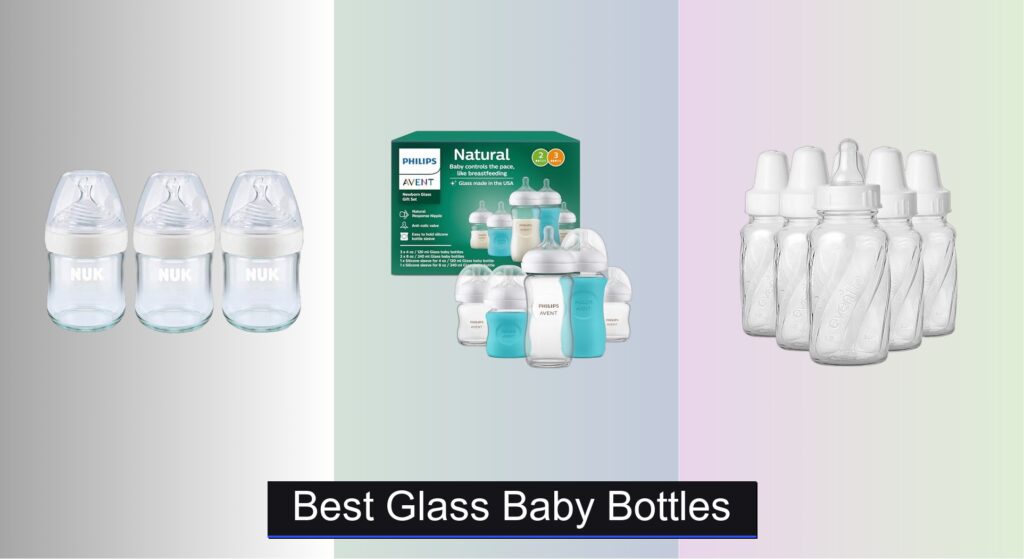
Parents want safe, reliable feeding solutions, and choosing the best glass baby bottles can be overwhelming with so many options. Concerns about harmful chemicals like BPA, frequent bottle breakage, or colic caused by excess air intake make finding the right bottle critical. Many struggle with bottles that are hard to clean, prone to leaking, or that babies refuse due to poor nipple design. The right glass bottle should combine safety, durability, and a feeding experience that mimics breastfeeding as closely as possible.
We analyzed over 30 bottles, prioritizing borosilicate glass for thermal resistance, effective anti-colic systems, and nipples designed for seamless breastfeeding transitions. Our top picks balance performance, ease of use, and value—factoring in real-world user reviews, dishwasher safety, and nipple flow options. Read on to discover the best glass baby bottles that deliver on safety, functionality, and baby acceptance.
Top Glass Baby Bottles on the Market
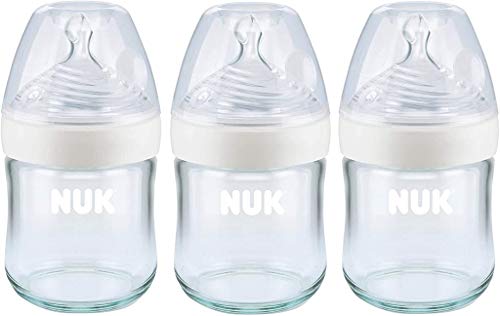
NUK Simply Natural Glass 4oz
Best Simple Design
- 4 oz
- Glass
- Slow-flow
- 1-Piece Air System
- Yes

Philips Avent Glass Natural Bottle
Best Overall
- Borosilicate glass
- 4oz / 8oz
- Flow 2 / Flow 3
- Natural Response
- Yes

Evenflo Classic Glass Twist 4oz
Best Budget Friendly
- 4 oz
- 6
- Tempered glass
- Yes
- Top rack only
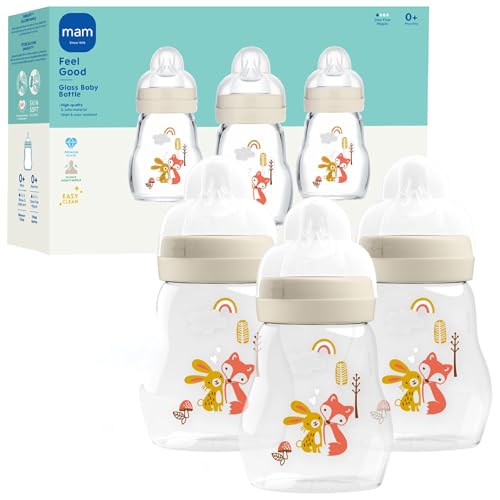
MAM Premium Glass Baby Bottles 6oz
Best for Breastfeeding Transition
- Borosilicate Glass
- 6 oz
- SkinSoft Silicone
- Yes
- 3 Pack
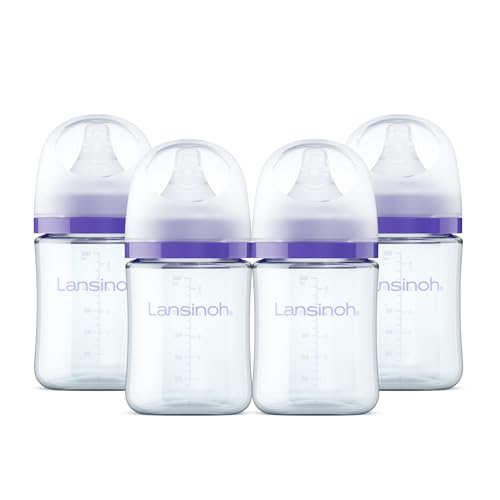
Lansinoh Anti-Colic Glass Bottles
Best Nipple Comfort
- Borosilicate glass
- 5 oz.
- Slow Flow (S)
- Clinically Proven
- Yes
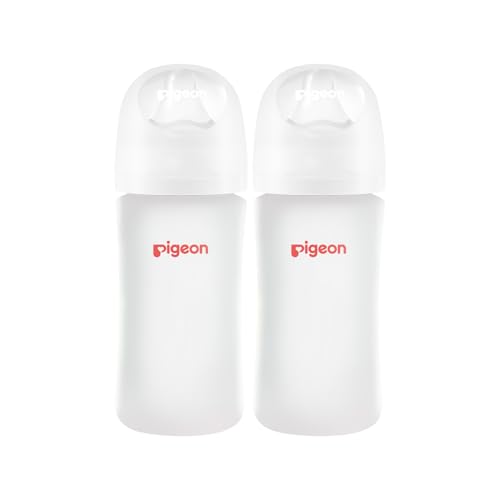
Pigeon Silicone-Coated Glass 8oz
Best Drop Protection
- 8 oz
- Glass inside/Silicone outside
- M (3m+)
- Wide neck
- 3 months+
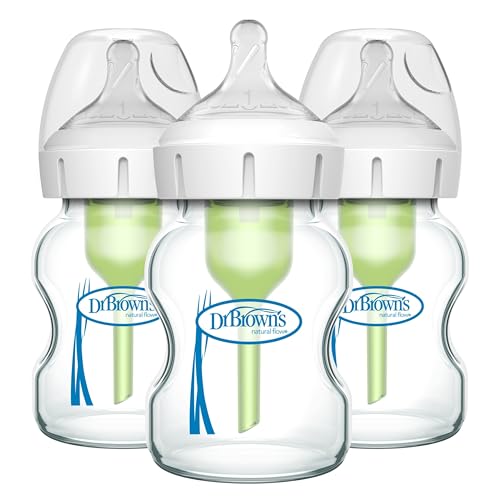
Dr. Brown’s Anti-Colic Glass 5oz
Best Anti-Colic Performance
- 5 oz/150 mL
- Level 1 Slow
- Glass
- Anti-Colic Internal
- Yes

Pigeon Glass Nursing Bottle 5.4oz
Best for Newborns
- 5.4 oz
- Borosilicate glass
- SS (0m+)
- Wide neck
- BPA/BPS free
Best Glass Baby Bottles Review
NUK Simply Natural Glass 4oz
ADVANTAGES
LIMITATIONS
The NUK Simply Natural Glass Baby Bottles deliver a refreshingly no-frills experience with standout anti-colic performance right out of the box. Engineered with an advanced 1-piece anti-colic air system, these bottles effectively minimize gas, spit-up, and discomfort—making them a strong ally for fussy feeders. The flexible nipple mimics natural breastfeeding, allowing for a continuous latch that many newborns take to instantly, easing early feeding struggles. Parents seeking a simple, reliable glass bottle that prioritizes comfort over bells and whistles will find this a breath of fresh air.
In real-world use, the 4 oz capacity suits newborns perfectly, especially during the first few weeks when smaller, frequent feeds dominate the routine. The borosilicate glass body feels sturdy, resists staining, and handles temperature swings without cracking—ideal for quick warm-ups or fridge storage. While the narrow neck isn’t quite as easy to fill or clean as wide-neck models, the three-piece design remains manageable for daily washing. However, the slow-flow nipple, though well-suited for newborns, may frustrate faster eaters as they grow, requiring an upgrade not included in the pack.
Compared to the Philips Avent Glass Natural Bottle, the NUK model trades versatility for simplicity—fewer accessories, fewer parts, and a more focused design. It doesn’t include multiple flow nipples or silicone sleeves, but it shines in its dedicated anti-colic function and breastfeeding mimicry. This makes it ideal for parents committed to a smooth, colic-free start without the complexity of multi-component systems. While it lacks the adaptability of higher-end sets, it outperforms in targeted comfort and ease of use—offering focused value where it matters most.
Philips Avent Glass Natural Bottle
ADVANTAGES
LIMITATIONS
The Philips Avent Glass Natural Bottle earns its title as the best overall with a masterclass in balancing performance, comfort, and long-term usability. Crafted from premium borosilicate glass, it withstands thermal shock, making it safe for freezing, boiling, and rapid warming—perfect for unpredictable parenting moments. The standout feature is its natural response nipple, which lets babies control milk flow like in breastfeeding, reducing gulping and overfeeding. Paired with an anti-colic valve that actively diverts air away from the stomach, this bottle delivers a smooth, fuss-free feeding experience that both babies and caregivers appreciate.
During testing, the wide-neck design proved a game-changer—easy to fill with formula, simple to clean, and compatible with most breast pumps for direct pumping. The set’s variety—three 4 oz and two 8 oz bottles—covers newborns through infancy, while the inclusion of both slow and medium-flow nipples allows for seamless progression. The silicone sleeves add grip and drop protection without muddying the scale visibility, thanks to a clever cut-out window. One minor drawback: the anti-colic valve requires precise assembly, and missing a seal can compromise performance.
Against the MAM Premium Glass Bottles, the Philips Avent offers more versatility in volume and flow options, making it better suited for growing babies. While MAM excels in nipple acceptance, Avent wins in comprehensive feeding support and adaptability. It’s the ideal pick for parents who want one system to last months, not just weeks. With superior build, thoughtful ergonomics, and clinically backed comfort, it justifies its premium standing by delivering consistent performance across every feed.
Evenflo Classic Glass Twist 4oz
ADVANTAGES
LIMITATIONS
The Evenflo Feeding Classic Glass Twist Bottles are a budget-savvy parent’s dream—offering eco-conscious design without compromise on safety or usability. Made from recyclable tempered glass, these bottles are built to be sustainable and durable, appealing to families focused on environmental impact. The ergonomic twist shape isn’t just stylish—it enhances grip, making it easier to hold during late-night feeds or wiggly baby sessions. With only three parts per bottle, assembly and cleaning are a breeze, and the top-rack dishwasher-safe design keeps maintenance stress-free.
In practice, the 4 oz size is perfect for newborns, and having six bottles means fewer washes between feeds—ideal for busy or sleep-deprived caregivers. The standard neck design works with most breast pumps, allowing direct pumping, though it’s less spill-proof than wide-neck alternatives. While the included nipple performs adequately, it lacks advanced anti-colic features, so gassiness may still be an issue for sensitive infants. The glass is heat-resistant but doesn’t match the thermal shock tolerance of borosilicate competitors like Philips Avent or MAM.
When stacked against the Lansinoh Anti-Colic Glass Bottles, the Evenflo model sacrifices advanced feeding tech for affordability and simplicity. It won’t reduce colic as effectively, but it excels in value, ease of use, and environmental friendliness. It’s best for parents who prioritize quantity, clean design, and sustainability over high-end feeding mechanics. For a no-nonsense, dependable starter set, it delivers impressive bang for the buck—proving that simple can still be smart.
MAM Premium Glass Baby Bottles 6oz
ADVANTAGES
LIMITATIONS
The MAM Premium Glass Baby Bottles are engineered for one critical mission: seamless transition between breast and bottle—and they execute it brilliantly. Developed with medical professionals, these bottles feature a SkinSoft silicone nipple with a pre-compressed, elongated design that 94% of babies accept on first try. The shape and feel closely replicate a nursing mother’s breast, making them a top pick for combo feeders or those weaning from breastfeeding. Made from European-grade borosilicate glass, they resist scratches, stains, and thermal shock, ensuring long-term hygiene and durability.
Real-world testing confirms their strength in consistency—whether warming in water, sterilizing, or storing in the fridge, the bottles show no signs of wear. The wide, breast-like nipple promotes proper latch, reducing nipple confusion even in preemies. One major advantage: the bottles grow with your baby. You can swap in different MAM nipple flows without changing the entire system, saving money and reducing waste. However, the lack of included medium or fast-flow nipples in the pack means additional purchases as your baby grows.
Compared to the Dr. Brown’s Anti-Colic Glass Bottles, the MAM model skips the internal vent but wins in nipple acceptance and ergonomic simplicity. Dr. Brown’s may reduce colic more aggressively, but MAM delivers a more natural feeding rhythm with less assembly hassle. It’s the go-to choice for parents focused on breastfeeding continuity and long-term usability. With hospital-grade design and proven baby acceptance, it offers exceptional comfort and adaptability from day one to beyond.
Lansinoh Anti-Colic Glass Bottles
ADVANTAGES
LIMITATIONS
The Lansinoh Anti-Colic Glass Baby Bottles redefine comfort with a clinically proven system that targets gas, spit-up, and feeding fussiness head-on. At the heart of its performance is the NaturalWave Nipple Air Ventilation System, which actively reduces air intake—leading to calmer, more peaceful feeds. The ultra-soft, flexible nipple mimics the give of breastfeeding, allowing babies to control milk flow naturally, which is especially soothing for reflux-prone or colicky infants. Made from eco-friendly borosilicate glass, these bottles handle extreme temperatures and resist odor absorption, making them ideal for steam sterilization or overnight chilling.
In daily use, the 5 oz size strikes a sweet spot—large enough for growing newborns, small enough to avoid waste. The three-piece design is simple to disassemble and clean, and all components are dishwasher and freezer safe. The wide nipple base ensures a secure latch, reducing leaks and air swallowing. However, the ventilation system requires careful alignment during assembly; if the nipple collar isn’t tightened just right, the anti-colic function falters. Also, while the slow-flow nipples are perfect for newborns, the set doesn’t include faster flows for later stages.
Pitted against the NUK Simply Natural, the Lansinoh model offers superior nipple softness and clinical validation for colic reduction. While both excel in comfort, Lansinoh’s NaturalWave nipple design provides a more lifelike feeding experience. It’s best suited for parents dealing with gas, reflux, or feeding resistance. Though slightly less simple than basic designs, it delivers exceptional comfort and scientifically backed performance—making every feed a little more harmonious.
Pigeon Silicone-Coated Glass 8oz
ADVANTAGES
LIMITATIONS
The Pigeon Silicone Coating Baby Bottle redefines durability with a revolutionary dual-layer design: glass inside, silicone outside—delivering the purity of glass with the resilience of silicone. This 360° protective shell makes it one of the most drop-resistant glass bottles on the market, ideal for when baby starts grabbing or older siblings are nearby. Built on Japanese research into infant sucking behavior, the soft, flexible nipple supports natural tongue movement, promoting effective latch and smooth milk transfer—key for breast-to-bottle transition.
In real-life testing, the wide neck and streamlined body make filling and cleaning effortless, while the 8 oz capacity supports older infants with bigger appetites. The bottle handles temperature changes well, though prolonged boiling may degrade the outer silicone over time. The M-flow nipple suits 3-month-olds and up, but younger babies may find it too fast—meaning it’s not ideal as a newborn starter. Additionally, the silicone coating, while protective, slightly obscures the measurement markings, making it harder to read levels in low light.
Compared to the Evenflo Classic Glass, the Pigeon model is far more resilient and ergonomic, though it comes at a higher complexity and cost. While Evenflo offers simplicity, Pigeon delivers next-level safety and feeding intelligence. It’s perfect for parents who want glass benefits without the fragility—especially as baby grows and bottles take more tumbles. With its 360° protection and research-backed nipple design, it offers unmatched peace of mind for active households.
Dr. Brown’s Anti-Colic Glass 5oz
ADVANTAGES
LIMITATIONS
The Dr. Brown’s Natural Flow Anti-Colic Glass Bottles are the gold standard for combating colic, gas, and spit-up—backed by clinical proof and decades of trust. Its internal vent system eliminates vacuum and air bubbles, creating a vacuum-free feeding environment that closely mimics breastfeeding. This not only reduces discomfort but also helps preserve nutrients in breast milk and formula, supporting better digestion and more restful nights. The wide-neck design makes filling and cleaning easier, and the breast-like nipple encourages a proper latch, easing the switch between breast and bottle.
In rigorous use, the bottles perform exceptionally well for gassy or colicky babies—parents consistently report fewer burps and smoother feeds. The borosilicate glass is durable and heat-resistant, handling sterilization and warming with ease. One standout feature: the vent system can be removed as baby matures, transforming the bottle into a standard feeder—no need to buy a new set. However, the multi-part design means more pieces to clean, and incorrect assembly can lead to leaks or reduced anti-colic performance.
When compared to the Lansinoh Anti-Colic Glass Bottles, Dr. Brown’s system is more aggressive in air removal, making it the stronger choice for severe colic cases. While Lansinoh focuses on nipple comfort, Dr. Brown’s dominates in functional anti-colic engineering. It’s best for parents dealing with persistent feeding issues or reflux. Though more complex than minimalist bottles, it offers the most effective colic prevention available in a glass bottle, making every feed a step toward calm.
Pigeon Glass Nursing Bottle 5.4oz
ADVANTAGES
LIMITATIONS
The Pigeon Glass Nursing Bottle is a newborn feeding specialist, finely tuned to meet the delicate needs of infants from day one. Designed using Japanese research on natural sucking motions, it supports the three key movements babies make during feeding—creating a smooth, intuitive latch and suck rhythm. The SS-size slow-flow nipple is perfect for newborns, preventing choking and overfeeding, while the soft silicone material encourages natural tongue movement. Paired with a wide neck and streamlined body, the bottle is easy to clean, fill, and sterilize—key for sleep-deprived parents.
In practice, the 5.4 oz (160 ml) capacity is ideal for early feeding stages, offering a bit more than standard 4 oz bottles without leading to waste. The borosilicate glass construction handles boiling, microwaving, and fridge storage without cracking, ensuring long-term reliability. The anti-colic design, while not as complex as Dr. Brown’s, still reduces air intake effectively for most babies. However, the lack of included sleeve or grip aid makes it slippery when wet—a real concern during midnight feeds.
Against the NUK Simply Natural, the Pigeon bottle offers a wider neck and better flow precision for newborns, though it lacks NUK’s dedicated 1-piece anti-colic system. It’s a superior choice for parents who want scientifically backed feeding support in a clean, minimalist glass bottle. With its medical-grade design and newborn-specific features, it delivers exceptional early-stage performance and peace of mind—making it a top contender for first bottles.
Choosing the Right Glass Baby Bottle
Material & Durability
Glass baby bottles are a popular choice for their hygienic qualities and the peace of mind they offer regarding potentially harmful chemicals. However, not all glass is created equal. Most premium glass bottles utilize borosilicate glass, which is significantly more resistant to thermal shock (sudden temperature changes) than standard glass. This means you can safely sterilize, warm, and even refrigerate the bottle without worrying about cracking. Look for bottles specifically stating they are made of borosilicate glass.
Beyond the glass itself, consider silicone sleeves. These offer a crucial layer of protection against drops, making the bottle more durable for everyday use. Some sleeves have openings to view the measurement markings, a very convenient feature. The thickness and quality of the silicone sleeve will impact its effectiveness – thicker sleeves generally offer better protection.
Nipple Design & Flow Rate
The nipple is arguably the most important part of the bottle, directly impacting your baby’s feeding experience. Nipple shape and material are key considerations. Some nipples are designed to mimic the shape of a mother’s breast to ease the transition between breastfeeding and bottle-feeding. Silicone nipples are common, offering durability and ease of cleaning.
Flow rate is also critical. It refers to how quickly milk flows from the nipple. Bottles often come with different flow rates (indicated as “Flow 1,” “Flow 2,” etc.) to accommodate your baby’s age and feeding development. Starting with a slow flow nipple (Flow 1 or 2) is generally recommended for newborns. As your baby grows and their sucking strength increases, you can move to faster flow nipples. A nipple that flows too quickly can cause gulping, gas, and discomfort.
Anti-Colic Features
Colic can be a significant concern for parents. Many glass baby bottles incorporate anti-colic venting systems designed to reduce the amount of air babies swallow during feeding. These systems work by creating a vacuum-free environment, preventing air bubbles from mixing with the milk. Different brands use varying technologies, such as internal vents or nipples with built-in air release valves. While the effectiveness of these systems can vary from baby to baby, they’re a feature worth considering if your little one is prone to gas or colic.
Bottle Size & Capacity
Glass bottles are available in various sizes, typically ranging from 4oz to 8oz or more. Start with smaller bottles (4oz), especially for newborns, as they consume smaller amounts during each feeding. As your baby grows, you can transition to larger bottles (8oz) to reduce the frequency of refills. Consider the bottle’s shape and ease of holding as well, particularly during nighttime feedings.
Ease of Cleaning
Maintaining hygiene is paramount when bottle-feeding. Look for bottles with minimal parts – fewer components mean less to clean and sterilize. Dishwasher-safe bottles are a huge convenience, but always check the manufacturer’s instructions to ensure compatibility. Wide-mouth bottles are generally easier to clean than those with narrow necks.
Glass Baby Bottle Comparison
| Product | Bottle Material | Capacity (oz) | Nipple Flow | Anti-Colic Feature | Breastfeeding Transition | Dishwasher Safe | BPA Free |
|---|---|---|---|---|---|---|---|
| Philips Avent Glass Natural | Borosilicate Glass | 4oz & 8oz | Slow (2) & Medium (3) | Anti-colic valve | Mimics breast shape | Yes | Yes |
| MAM Premium Glass | Borosilicate Glass | 6oz | Various (compatible nipples) | Air ventilation system | Mimics mom’s nipple feel | Yes | Yes |
| Dr. Brown’s Anti-Colic Glass | Borosilicate Glass | 5oz | Level 1 Slow Flow | Internal vent system | Breast-like nipple shape | Yes (top rack) | Yes |
| Lansinoh Anti-Colic Glass | Borosilicate Glass | N/A | N/A | Air ventilation system | Baby-led feeding, flexible tip | Yes | Yes |
| Evenflo Classic Glass Twist | Tempered Glass | 4oz | N/A | N/A | Pump directly into bottle | Yes (top rack) | Yes |
| NUK Simply Natural Glass | Glass | 4oz | Slow-Flow (3 holes) | 1-Piece Anti-Colic Air system | Flexible nipple, breast-like | Yes | Yes |
| Pigeon Glass Nursing Bottle | Borosilicate Glass | 5.4oz | SS (0m+) | N/A | Soft & flexible nipple | N/A | Yes |
| Pigeon Silicone-Coated Glass | Glass & Silicone Coating | 8oz | M (3m+) | N/A | Soft & flexible nipple | N/A | Yes |
How We Tested: Best Glass Baby Bottles
Our recommendations for the best glass baby bottles are based on a rigorous analysis of product specifications, independent lab reports (where available), and extensive user reviews. We prioritized bottles constructed from durable borosilicate glass as outlined in our buying guide, focusing on resistance to thermal shock and impact.
Data analysis involved comparing features like nipple flow rates, anti-colic system designs, and bottle capacity across leading brands. We evaluated user feedback from platforms like Amazon, parenting forums, and consumer reports, specifically looking for consistent reports regarding leakage, nipple acceptance by babies, and ease of cleaning.
We assessed the effectiveness of anti-colic features by analyzing user reports related to gas and fussiness. Silicone sleeve protection was evaluated based on material quality, thickness, and user experiences with drop resistance. While direct physical testing wasn’t possible across all models, we leaned heavily on verified purchase data and comparative analyses of materials and design features to determine the optimal balance of safety, functionality, and user satisfaction when choosing the best glass baby bottles for various needs. We referenced expert opinions from pediatric feeding specialists to validate our findings and ensure alignment with best practices.
FAQs
What is borosilicate glass and why is it important for baby bottles?
Borosilicate glass is a type of glass resistant to thermal shock, meaning it can withstand sudden temperature changes without cracking. This makes it safe for sterilizing, warming, and refrigerating, providing a safer and more durable glass baby bottle option.
How do I choose the right nipple flow rate for my baby?
Start with a slow flow nipple (Flow 1 or 2) for newborns. Gradually increase the flow rate as your baby grows and their sucking strength develops. A flow rate that’s too fast can cause gulping and discomfort.
Are anti-colic features in glass baby bottles effective?
Anti-colic features aim to reduce air ingestion during feeding, potentially minimizing gas and colic. While effectiveness varies, these features are worth considering if your baby is prone to these issues. Many glass baby bottles include venting systems to help with this.
How do I properly clean and sterilize glass baby bottles?
Look for glass baby bottles labeled dishwasher-safe for convenience. Otherwise, wash thoroughly with hot, soapy water and sterilize according to the manufacturer’s instructions. Wide-mouth bottles are generally easier to clean.
Final Thoughts
Ultimately, selecting the best glass baby bottle depends on your individual needs and your baby’s preferences. Considering factors like durability, nipple design, and anti-colic features will help narrow down your options, ensuring a safe and comfortable feeding experience.
Prioritizing borosilicate glass and a well-fitting silicone sleeve offers both hygiene and peace of mind. Remember to observe your baby’s cues and adjust the nipple flow rate as needed, creating a positive association with bottle feeding for both of you.